How to Discover the Most Welcoming Irish Pub NYC Has Available
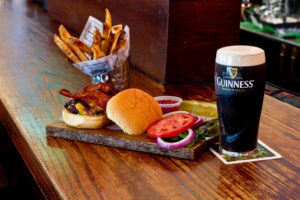

Finding a genuinely welcoming pub in New York is harder than it looks. The city has no shortage of places with shamrocks on the wall, a Guinness tap, and a playlist heavy on traditional reels by early evening and louder crowd-pleasers by ten. That does not automatically make a place feel like an Irish pub in the deeper sense, and it certainly does not make it warm, comfortable, or worth returning to.
The best Irish Pub NYC visitors and locals remember is rarely the flashiest one. It is the place where the bartender clocks that you are deciding between a stout and a red ale and offers a thoughtful nudge. It is the room where solo guests do not feel stranded, regulars do not dominate the air, and the food is treated as part of the experience rather than a legal requirement for serving drinks. A welcoming pub has a kind of ease to it. You notice it almost immediately, even if you cannot name every reason on the spot.
That ease matters. In a city where hospitality can sometimes feel transactional, a proper pub gives people space to settle in. It works for the office crowd meeting after work, for a couple escaping a tourist-heavy corridor, for a traveler trying to avoid a chain bar, and for a neighborhood regular who wants one reliable room where the lights are flattering and the conversation is not a full-contact sport.
Start with the difference between themed and lived-in
One of the simplest mistakes people make is confusing Irish branding with Irish pub character. New York has plenty of bars that wear the costume. Dark wood, vintage mirrors, framed county maps, old ads for whiskey or stout, maybe a tricolor tucked somewhere near the back. Some are pleasant enough, but décor alone tells you very little about how the place feels at 6:30 on a Wednesday, at noon on a rainy Saturday, or after a match lets out.
A lived-in pub has wear in the right places. The wood may be polished, but not precious. The room should feel used rather than staged. You want signs that people actually spend time there, not just pass through for one round before moving on. The bar stools are comfortable. The back room is not treated like dead space. The staff know how the room shifts over the course of a night. If the pub has history, it tends to show up in details rather than in marketing copy.
That is especially important in Manhattan, where some venues rely on location more than substance. A pub near a transit hub or close to major attractions may stay busy regardless of service quality. Crowds can mask indifference. The trick is to separate popularity from hospitality. A packed room might be a sign of excellence, or it might just mean the bar is across the street from an office tower.
The first five minutes tell you a lot
If you want to identify the most welcoming Irish Pub NYC has available for your style of night out, pay close attention before you order anything. The atmosphere usually announces itself fast.
Here are five signals worth noticing right away:
- You are acknowledged quickly, even if the bar is busy.
- The music supports conversation rather than competing with it.
- Staff speak with confidence, not impatience.
- The room includes mixed groups, regulars, couples, and solo guests.
- People linger comfortably instead of drinking and leaving at speed.
That first point matters more than people think. A bartender does not need to serve you in thirty seconds, especially during a rush, but they should make eye contact or give some sign that you have been seen. Welcoming places are good at this. Even when they are slammed, they project order. Guests know where they stand.
Music is another useful clue. A good pub does not have to be quiet, but it should understand volume. Plenty of bars chase energy by turning everything up too far, too early. The result is less convivial than exhausting. In the best rooms, music builds with the crowd. There is judgment behind it.
The crowd itself can be revealing. If every table is a bachelor party or every stool is held by a regular guarding his territory, the room may be lively without being inviting. A balanced pub has social range. It can absorb different kinds of customers without making any one group feel like intruders.
Hospitality usually shows up in small acts, not grand ones
People often expect welcome to arrive as a dramatic gesture. A complimentary drink, an animated conversation with the bartender, a server who seems instantly like an old friend. Sometimes that happens, but more often the real test is quieter.
A host who finds a way to seat two people without making them feel rushed. A bartender who lets a guest sample a whiskey without attitude. A server who knows when to check in and when to leave the table alone. These are not flashy skills. They are the daily mechanics of a room run by professionals.
One of the strongest signs of quality is how a pub handles uncertainty. If a guest asks for a recommendation, does the answer sound practiced and generic, or tailored and useful? If someone wants a low-key corner for conversation, does the staff understand the room well enough to guide them? If a stout line is settling, will they explain the wait properly and pour it right, or rush a bad pint to keep the line moving?
That kind of care separates a memorable pub from a merely competent one. In my experience, the best Irish pubs in New York rarely overperform for effect. They simply avoid the small failures that make people feel like burdens.
Neighborhood matters more than people admit
New York is a city of https://johnathanmljt031.quantlynix.com/posts/why-an-irish-pub-in-nyc-is-perfect-for-your-next-night-out micro-contexts. The most welcoming pub for a Midtown commuter may not be the best fit for someone looking for a long Sunday lunch downtown. It helps to think less in terms of borough-wide reputation and more in terms of what you need from the surrounding block.
Midtown pubs, for example, often excel at efficiency. Many know how to manage after-work surges, pre-theater timing, and a mix of regulars and one-time visitors. The downside is that some feel transient. You may get a perfectly good pint without ever feeling anchored in the room.
Neighborhood spots in the East Village, the West Village, or parts of Brooklyn can feel more relaxed, but they also vary widely. Some lean heavily into youth and nightlife, which can be fun, though not always warm. Others keep a steadier rhythm, where lunch, afternoon football, dinner, and late drinks all connect naturally rather than feeling like entirely different businesses under one roof.
If you are choosing where to search, ask a practical question: do you want a destination pub or a local pub feel? A destination pub may have stronger name recognition, deeper whiskey shelves, or live music that draws a crowd across neighborhoods. A local-feeling pub may have less spectacle but a much higher chance of becoming your place. Both can be excellent. The difference lies in the kind of welcome you are after.
Food is not secondary in a truly good pub
People sometimes judge pubs only on pours and atmosphere, but food often reveals how serious the operation is. You do not need a giant menu. In fact, oversized menus can be a warning sign. What you want is care, consistency, and a sense that the kitchen understands pub food as comfort rather than afterthought.
A shepherd’s pie should taste like someone bothered. Fish and chips should arrive crisp, not soggy from a sprint under a heat lamp. Brown bread, if offered, should not feel symbolic. Even simpler items like soup, stew, or a toastie can tell you a lot. Good pub cooking has a kind of generosity to it. It does not have to be delicate, but it should be attentive.
Brunch can be a revealing test in New York. Some pubs that shine at night feel oddly flat in daylight, while others come alive when sunlight hits the front windows and the room fills with a mix of families, couples, and people easing into the day. If a pub handles daytime service with the same calm confidence as the evening rush, that is a very good sign.
Food also affects how long people stay. Rooms with decent kitchens tend to produce a steadier, more comfortable pace. People settle in. They order another round. They are less likely to treat the pub like a pit stop.
Learn to read the bar program without overthinking it
A welcoming Irish pub does not need the largest whiskey list in the city, but it should have a coherent one. The same goes for beer. Breadth is less important than competence.
A short beer list can be excellent if it is fresh, well kept, and suits the room. Guinness matters in an Irish pub, of course, but so do the details around it. Is it poured with patience? Are the glasses clean? Does the bartender seem to care? You can tell a lot from how the simplest order is handled.
Whiskey is similar. A place carrying a thoughtful selection across Irish styles, with a bartender who can explain a few distinctions without turning the interaction into a lecture, usually understands its identity. If every recommendation sounds like a sales pitch, or if the back bar is broad but shallow in actual staff knowledge, the program may be more cosmetic than meaningful.
Cocktails have their place, but in a pub setting they should support the room rather than hijack it. A couple of solid classics and seasonally sensible options are often a better sign than a complicated menu trying to imitate a cocktail lounge.
Timing changes the room
A pub should not be judged by one time slot alone. The same venue can feel intimate on a Tuesday evening, overrun on Friday after work, and nearly ideal on Sunday afternoon. If you are trying to find the most welcoming option rather than merely the most convenient one, go more than once, or at least gather impressions from people who visit at different times.
Early evenings often show you the staff at their sharpest. Late nights reveal whether the room holds together under pressure. Weekend afternoons expose the truth about comfort. If the pub can stay pleasant when there is nowhere to hide behind darkness or crowd energy, that means something.
Live music deserves special mention. Done well, it transforms a pub. Done poorly, it overwhelms everything good about it. The best sessions feel like an extension of the room. People can still speak. The musicians are close enough to animate the space, not so amplified that every conversation becomes impossible. If music nights interest you, check whether the venue treats them as hospitality or as spectacle. There is a difference.
Ask the right questions before you commit to a place
If you are planning to meet friends, host visiting family, or just want to avoid a dud, a little groundwork goes a long way. You do not need an elaborate research process. A few practical checks can spare you a disappointing night.
Use this quick filter:
- Look at recent guest photos, not just polished brand images.
- Read reviews for comments on service, noise, and seating, not just drink prices.
- Check whether the menu looks current and realistic.
- Call ahead if you need space, sports viewing, or accessibility details.
- Notice whether the pub seems busy across different days, not only on holiday weekends.
Recent guest photos can be surprisingly revealing. They show lighting, crowd density, portion sizes, and whether the pub actually resembles its own marketing. Reviews also become more useful when you ignore the dramatic one-star or five-star extremes and focus on patterns. If several people mention friendly bartenders, comfortable pacing, or attentive table service, that carries weight. If multiple guests complain about being rushed, ignored, or unable to hear themselves think, believe them.
Calling ahead is underused. In a city where many people prefer to do everything through an app, a short phone call can tell you a lot about the place. The person who answers may reflect the tone of the room. You can ask whether there is live music, whether a game will dominate the bar area, or whether they can comfortably seat a group of six. Competent, warm answers are often a promising sign.
Beware of holiday reputation
Many people judge an Irish pub by what they have heard around St. Patrick’s Day, and that is often the least useful benchmark possible. Pubs during major Irish holidays, Six Nations matches, or big football fixtures are operating under unusual pressure. Some rise to the occasion brilliantly. Others survive by sheer volume. Neither experience tells you much about what the pub feels like the other forty-nine weeks of the year.
A welcoming place should still feel welcoming when nothing special is happening. That is the truer measure. Can you walk in on an ordinary Monday and get a well-poured pint, a decent plate of food, and service that feels human? Can you bring someone who has never been and trust that they will feel comfortable? If yes, you have likely found something worth keeping.
The room should let you be the version of yourself you brought in
This may be the most overlooked test of all. Good pubs are flexible. They can hold a quiet solo pint, a catch-up with an old friend, a post-work decompression session, or a long afternoon that turns into dinner. The room does not force everyone into the same mode.
Some bars are built for noise and momentum. Others are built for stillness. The best Irish pubs in New York often manage both, depending on where you sit and when you arrive. The front may be brisk, with passersby and walk-ins. The back may be softer, better for conversation. The stools at the end of the bar may suit solo regulars. A side table may be where first dates go to test whether they actually like each other.
That internal range is not accidental. It comes from thoughtful layout, staff awareness, and years of understanding how people use the space. Welcoming pubs let guests find their own place in the room. They do not punish you for being alone, too early, not drinking fast enough, or asking for food after the first rush.
Real warmth survives imperfections
It is worth saying that the most welcoming pub is not necessarily the most polished. Some of the best rooms in New York are a little cramped. Some get loud at the wrong time. Some have menus that are stronger in winter than in summer, or a back corner that catches more draft than anyone would prefer. Hospitality does not require perfection.
What matters is whether the place has heart and professional standards at the same time. A pub can be old without being tired. Busy without being chaotic. Popular without becoming smug. If the staff care about the experience, guests feel it. If they do not, no amount of imported woodwork or curated Irish iconography can fake it.
That is why the search for the right Irish Pub NYC experience is ultimately less about checking boxes and more about paying attention. Notice how you are received. Notice whether the room loosens your shoulders or tightens them. Notice whether your second round feels easier than your first. The right pub has a way of making New York, for an hour or three, feel less hard-edged and more companionable.
And when you find it, hang on to it. Truly welcoming pubs are not interchangeable, and they are never just about the drink. They are about being known just enough, left alone when appropriate, fed properly, and sent back out into the city in better shape than when you walked in. That is the standard worth looking for, and when an Irish pub meets it, people return for years.
Hibernia Bar
401 W 50th St
New York, NY 10019, United States
Phone: +1 212-969-9703
FAQ About Irish Pub NYC
What is the best Irish pub in NYC?
The best choice depends on your location and preferred atmosphere. Hibernia Bar is a neighborhood Irish pub in Hell's Kitchen offering Guinness, Irish whiskey, pub food, and sports viewing.
Where do Irish people go in NYC?
New York's Irish community gathers in many neighborhoods and venues. Hibernia Bar welcomes Irish expats, local residents, and visitors at 401 W 50th St, just off Ninth Avenue.
Where can I watch GAA games in New York?
Hibernia Bar lists GAA among the sports it shows. Call +1 212-969-9703 to confirm coverage and opening times for a particular match before visiting.
What is the difference between a bar and a sports bar?
A sports bar emphasizes televised games and a shared viewing atmosphere. Hibernia combines sports viewing with the food, drinks, and hospitality of a neighborhood Irish pub.