How an Irish Pub NYC Atmosphere Creates Instant Comfort
There are bars you visit for a drink, and there are places you step into and feel your shoulders drop before you even reach the host stand. That second feeling is not accidental. It is built, detail by detail, through light, sound, layout, service, and an understanding of how people actually want to gather. A well-run Irish pub in New York does this better than most concepts because comfort sits at the center of the experience.
That matters in a city that runs hot and fast. New York asks a lot of people. Commutes are crowded, sidewalks are loud, reservations can feel competitive, and too many hospitality spaces lean on performance rather than ease. A strong Irish Pub NYC experience pushes in the other direction. It offers structure without stiffness, energy without chaos, and familiarity without becoming dull. Even first-time guests often feel like returning regulars within half an hour.
The comfort people describe is real, but it can be hard to name. It is not one thing. It is a layered atmosphere, shaped by physical design and human behavior. If you have ever wondered why certain pubs feel immediately welcoming while others feel flat, the answer usually lives in those layers.
Comfort starts before the first sip
Most guests decide how they feel about a place in the first minute or two. They may not say it out loud, but they register the doorway, the smell, the lighting, the noise level, and whether anyone seems genuinely aware of their arrival. In a good Irish pub, that opening moment is smooth. The room feels lived in, not staged. There is warmth in the wood, softness in the light, and a sense that the place has been used well over time.
That visual language matters more than many operators admit. Dark timber, polished brass, worn leather, framed mirrors, old photographs, sturdy stools, and a bar that looks meant for leaning on all send a simple message: stay a while. These are not precious surfaces. They invite use. New York diners and drinkers pick up on that quickly. A room that looks too perfect can make people self-conscious. A room with character lowers the social temperature.
There is also a practical side to this. The best pubs rarely overexpose the room with harsh overhead lighting. Instead, they let pools of light define the bar, the booths, and the tables. That does two things at once. It gives privacy without isolation, and it makes the room feel full even before every seat is taken. In hospitality terms, that is a powerful trick. Guests feel held by the space rather than stranded inside it.
Even smell plays a role. Freshly poured stout, a hint of malt, hot food coming from the kitchen, maybe the smell of grilled bread or stewed meat on a cold evening, these cues land fast. They suggest care, nourishment, and continuity. A cocktail bar can impress the eye. A pub often reaches the nervous system first.
The room gives people permission to relax
One of the most overlooked features of an Irish pub atmosphere is how forgiving it is. In New York, many venues ask guests to conform to a mood already in progress. They can feel coded by age, income, neighborhood status, or trend awareness. You wonder if your jacket fits the room, if your voice is too loud, if ordering a simple beer instead of a specialized drink somehow misses the point.
A proper pub removes that friction. It can hold a date, an after-work group, two tourists escaping the rain, a family getting an early dinner, and a solo regular reading the paper at the bar. That range is not accidental. It comes from a design philosophy that values mixed use over narrow identity.
Booths are part of this. So are half-partitions, corners, and bars with enough depth for people to settle in. You need a room that can absorb different kinds of social energy. A couple wants intimacy, but a group wants room to expand. A solo guest wants to feel included without being exposed. Pubs tend to solve this better than open-plan spaces because they create micro-environments inside the larger room.
I have always thought of good pub design as social scaffolding. It helps people know how to behave without making them think about it. If the bar rail is solid, the stools are comfortable for longer than one round, and the sightlines let you make occasional eye contact without feeling on display, conversation starts more easily. The room does some of the work.
That can sound abstract until you compare it with a room that gets it wrong. In some Manhattan spots, every table is packed tightly into one brightly lit rectangle, music bounces off hard surfaces, and guests have to compete with the architecture just to hear each other. People leave tired rather than restored. The pub model avoids that trap by building in texture, edges, and places to tuck into.
Noise is managed, not eliminated
Silence is not comfort in a pub. Neither is shouting. The sweet spot is a room with a steady, reassuring hum. You hear glasses, laughter, low conversation, maybe a match on television in the background, maybe live music on the right night, but the sound wraps rather than assaults. That distinction is huge.
Acoustics in hospitality are often neglected because they are harder to market than a signature cocktail or a dramatic mural. Yet they shape memory more than many decorative choices. Irish pubs tend to benefit from materials that naturally soften noise. Wood, upholstered seating, curtains, rugs in selective areas, and crowded walls all help break up harsh reverberation. Even a full room can feel manageable if the sound disperses properly.
This is especially important in NYC, where many people come in overstimulated. A space that lets them hear the person across from them without strain feels generous. It also encourages longer stays. Guests order another round, split dessert, or linger for one more conversation because the room has not worn them down.
Live music is an interesting edge case here. It can deepen comfort or destroy it. The best pub music supports the room rather than dominating it. A traditional session in the corner, a singer who understands restraint, or a set timed for the later evening can enrich the atmosphere. But when amplification takes over a modest room, the effect flips. The place stops feeling like a gathering space and starts feeling like an obstacle course for conversation. Good operators know the difference.
Hospitality in a pub feels personal without becoming theatrical
There is a style of service that belongs uniquely to pubs at their best. It is attentive, but not hovering. Warm, but not scripted. Efficient, but never rushed. Guests feel seen rather than processed. In New York, where service can swing between indifferent and aggressively polished, that middle ground feels rare.
Part of the comfort comes from predictability. A bartender acknowledges you quickly, even if they are in the weeds. A server knows the menu well enough to steer you honestly. If the shepherd’s pie is selling out, they say so. If you are deciding between two whiskeys, they ask what you usually like instead of reciting a memorized speech. These sound like small moments, but they create trust.
Trust is the real engine of comfort. Once guests believe the staff is competent and humane, they relax. They stop guarding against disappointment. They order more confidently. They let the evening unfold.
There is also a specific kind of memory that regular pubs create. Staff remember your usual pint, your preference for a quiet corner, or the fact that you bring out-of-town relatives every December. This does not require old-fashioned sentimentality. It requires systems and culture. When teams are stable and management values continuity, recognition becomes part of the atmosphere.
A strong Irish Pub NYC destination often succeeds because it balances neighborhood familiarity with city-level professionalism. Visitors feel welcome, locals feel ownership, and neither group crowds out the other. That balance is hard to achieve. When it works, the place develops a social texture that no amount of branding can fake.
The food matters more than people admit
Many people talk about pubs as if the drinks carry the entire experience. Drinks matter, of course, especially in a city where consumers know the difference between a properly poured pint and a careless one. But food is often the bridge between atmosphere and actual comfort.
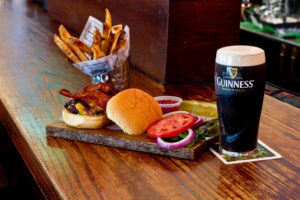
Hearty, recognizable dishes do more than fill the table. They slow the pace of drinking, broaden the guest mix, and make a pub feel usable at different hours. A room that serves good stew, fish and chips with a crisp batter, soda bread, bangers and mash, or a well-built burger with hot fries reads as dependable. Guests do not have to treat the place as a one-note stop. It can be dinner, refuge, meeting point, or late-night reset.
Temperature matters here too. There is deep psychological value in hot food served properly in a city that spends months in cold weather. A plate that arrives steaming, a cup of chowder, or even a toastie done right can change how the whole room feels. It grounds people. It turns a casual visit into a restorative one.
This is where some pubs miss an opportunity. They invest in visual authenticity but treat the kitchen as secondary. Guests notice. If the room promises comfort and the food lands as an afterthought, the illusion breaks. True atmosphere is multisensory. The kitchen has to support the story the room is telling.
Ritual creates ease
One reason pub comfort feels immediate is that the format is familiar. Even people who do not spend much time in bars understand the social script. You can sit at the bar or ask for a table. You can order a pint, a whiskey, tea, or a full meal. You can stay briefly or settle in. That flexibility reduces decision fatigue.
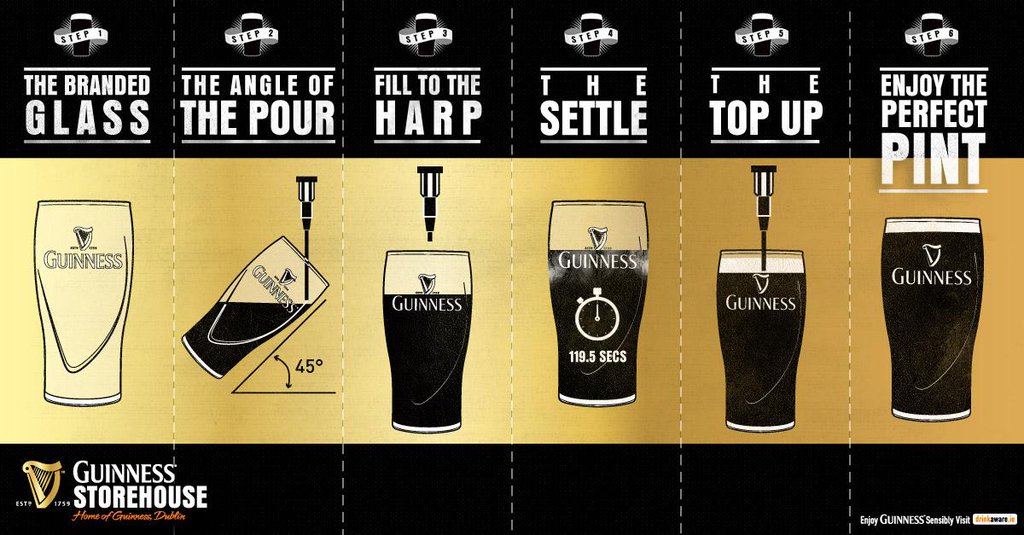
The rituals themselves are calming. Watching a beer poured correctly, hearing the clink of glassware, seeing a server carry plates through a busy room with confidence, or catching snippets of a football match on the screen, these repeated patterns reassure people that the place knows what it is doing. In a city full of concepts trying to reinvent hospitality every season, there is comfort in a venue that honors established rhythms.
This does not mean stagnation. The best pubs evolve. Menus tighten. Back bars improve. Nonalcoholic options expand. Music programming gets smarter. But the core ritual remains stable. Guests can depend on the place, and that dependability is a form of luxury.
I have seen this especially with mixed groups. If one person wants oysters and natural wine while another wants a straightforward lager and a sandwich, you can spend twenty minutes trying to solve for everyone. A well-run pub often solves it instantly because the expectations are broad and generous. Nobody has to defend their order. That matters more than people think.
A pub can make New York feel smaller
Cities become livable through repeatable spaces. Not landmarks, not special-occasion restaurants, but places people can return to without ceremony. Irish pubs have long filled that role in New York because they create a kind of civic intimacy. They let strangers share a room without awkwardness and friends keep traditions without much planning.
This is visible on ordinary nights. Someone ducks in after work to wait out the rain and stays for soup. A birthday group spills into a booth. Two older regulars discuss the neighborhood as if the bar were an extension of the block. A server greets a couple who have not visited in months and remembers where they like to sit. These interactions are modest, but they build local belonging.
That quality is especially valuable in Manhattan and parts of Brooklyn where turnover is high and many residents feel socially unmoored. Transplants, freelancers, shift workers, and travelers all need places that offer temporary membership. A pub atmosphere does this with unusual grace. It asks very little from guests, but gives them a lot in return.
Not every Irish-themed bar achieves this, of course. Some trade on surface-level symbols, shamrocks on the wall, generic Celtic fonts, playlist choices that feel pasted on, but never develop the deeper sense of welcome. Guests can tell the difference quickly. Real comfort comes from coherence. The design, the staff, the menu, and the pace all have to agree with each other.
Why weather makes the effect stronger
If you want to understand the emotional force of a pub atmosphere, step into one from a New York street in February. The door closes behind you. The noise drops. The windows fog slightly. Coats come off. A host or bartender points you somewhere warm. Someone is eating something hearty nearby. Suddenly the city feels less punishing.
Cold weather amplifies everything a pub does well. Warm materials feel warmer. Dim light feels kinder. Rich food feels more necessary. Even in spring or autumn, the contrast between the street and the room gives the place power. It becomes not just a venue, but a buffer.
Rain has a similar effect. So do holidays. During December, especially, Irish pubs often hit their peak emotional register because they know how to combine bustle with refuge. Decorations can help if they are restrained, but the stronger ingredient is continuity. People want somewhere that feels established, reliable, and open to celebration without demanding it.
Summer changes the equation slightly. Comfort then comes less from shelter and more from steadiness. A cool pint, open windows, lighter fare, and a room that stays welcoming even when the city empties for weekends can be just as effective. The atmosphere shifts, but the underlying promise remains the same.
The emotional design is subtle, not sentimental
There is a temptation to describe pub comfort in overly romantic terms, as if warmth alone explains it. That misses the craftsmanship https://milosrfj921.publishlane.com/posts/the-allure-of-a-traditional-irish-pub-in-nyc involved. Atmosphere is designed, maintained, and defended. Furniture has to hold up. Lighting has to be calibrated over time. Staff have to be hired for temperament as much as skill. Music has to be programmed with restraint. The room has to be cleaned thoroughly without losing its lived-in feel. Menus have to evolve without betraying the core identity.
That balancing act is harder than it looks. Too much polish and the place loses soul. Too little discipline and it slips into neglect. The best operators know that comfort is not casual. It is a standard.
There is also a trap in chasing nostalgia too aggressively. If every design choice leans into a fantasy of old-world authenticity, the room can feel like a set. New York audiences are perceptive. They want character, but they also want honesty. A pub can nod to heritage while still functioning as a modern hospitality business with excellent storage, strong kitchen flow, thoughtful beverage service, and clean restrooms. Comfort grows when heritage and competence live in the same room.
What guests actually respond to
When people say they love a certain pub, they rarely describe the design in technical terms. They say it feels easy. They say they can hear each other. They say the bartender is great, the pours are right, the food is satisfying, and they never feel rushed out. They mention going there after funerals, before concerts, during holidays, after bad workdays, or when friends are visiting from out of town. That range tells you everything.
Comfort is not softness alone. It is confidence, rhythm, and welcome. It is the sense that a place can hold different moods without forcing one on you. You can celebrate there, decompress there, eat alone there, or gather there with ten people and still feel at home.
For an Irish Pub NYC setting, that may be the greatest achievement. In a city often defined by speed and edge, the pub offers immediate reassurance without ever feeling sleepy. It is lively, but not restless. Familiar, but not stale. Social, but never demanding. You arrive carrying the static of the day, and the room gives you somewhere to put it.
That is why the comfort feels instant. The best Irish pubs do not merely serve drinks and food. They organize human experience in a way that makes people feel steadier, warmer, and more connected, often before the first order is even placed. In a city where ease is scarce, that kind of atmosphere is not a small pleasure. It is a real service.
Hibernia Bar
401 W 50th St
New York, NY 10019, United States
Phone: +1 212-969-9703
FAQ About Irish Pub NYC
What is the best Irish pub in NYC?
The best choice depends on your location and preferred atmosphere. Hibernia Bar is a neighborhood Irish pub in Hell's Kitchen offering Guinness, Irish whiskey, pub food, and sports viewing.
Where do Irish people go in NYC?
New York's Irish community gathers in many neighborhoods and venues. Hibernia Bar welcomes Irish expats, local residents, and visitors at 401 W 50th St, just off Ninth Avenue.
Where can I watch GAA games in New York?
Hibernia Bar lists GAA among the sports it shows. Call +1 212-969-9703 to confirm coverage and opening times for a particular match before visiting.
What is the difference between a bar and a sports bar?
A sports bar emphasizes televised games and a shared viewing atmosphere. Hibernia combines sports viewing with the food, drinks, and hospitality of a neighborhood Irish pub.